

💣 The Forex Trading Mistakes That Blow Up Accounts (Fix Them Before It’s Too Late)
Why Most Forex Beginners Don’t Survive
I watched a friend blow his entire trading account in three days.
Three. Days.
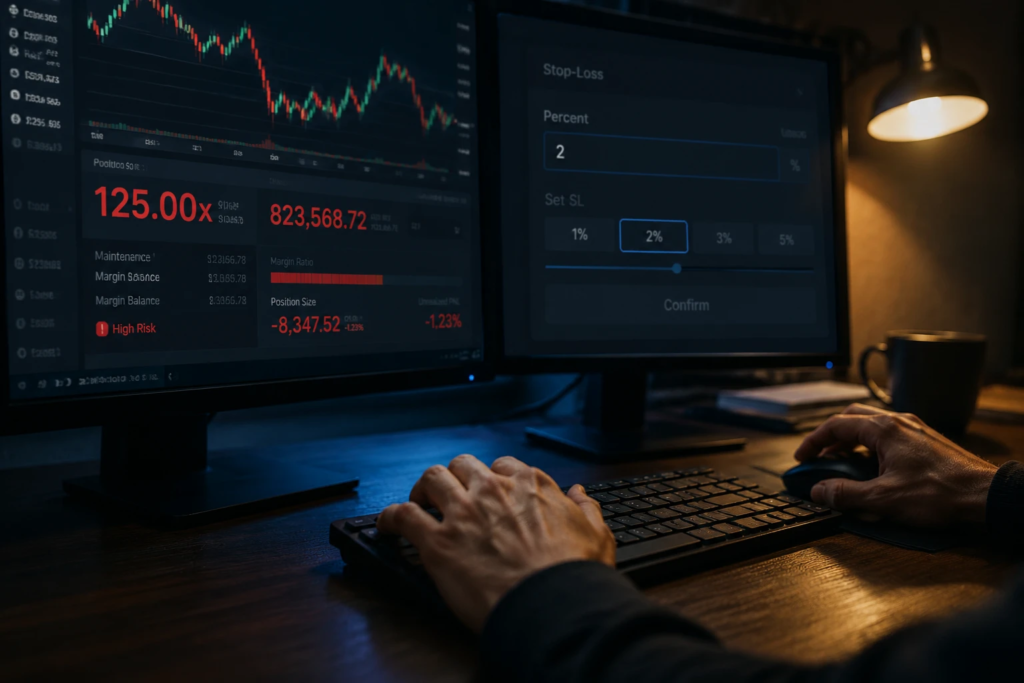
He wasn’t unlucky. He wasn’t a bad person. He just made the same mistakes most beginners make. Overleveraged. No stop-loss. Chased a “sure thing” signal from a Telegram group. Then revenge traded when it went wrong.
I’ve been there myself. Lost money. Felt stupid. Wanted to quit. But I stuck with it. And honestly? I learned more from those losses than from any winning trade.
This article isn’t about making you rich overnight. It’s about keeping you in the game long enough to actually learn. Because most beginners don’t lose because they’re bad traders. They lose because they make avoidable mistakes.
Here are the biggest ones. And how to avoid them.
Overleveraging – The Fastest Way to Blow Your Account
Leverage sounds amazing on paper. “Trade $100,000 with just $200!” Sounds like free money.
It’s not.
Leverage is borrowed money. And when the trade goes against you, you owe it back. Every penny.
What does overleveraging actually look like?
Let’s say you have $1,000 in your account. You use 1:500 leverage. That means you’re controlling $500,000 with your $1,000.
Sounds great. Until the market moves 0.2% against you. That’s a $1,000 loss. Your entire account. Gone in seconds.
I’ve seen this happen more times than I can count. Someone gets excited. Sees a “guaranteed” setup. Goes all in. Then the market sneezes. And they’re wiped out.
The risks you need to know:
- Small moves wipe you out. With high leverage, even a tiny price change can blow your account.
- You can’t “wait it out.” When your margin is gone, the broker closes your position. You don’t get a second chance.
- Emotions take over. When you’re leveraged to the max, you panic. And panic never made anyone money.
The safer approach: Use low leverage. 1:10 or 1:20 max. That gives you room to breathe. Room to be wrong. Room to learn.
No Risk Management Plan
Here’s something I learned the hard way. Risk management isn’t boring. It’s the only thing that keeps you alive.
Most beginners skip it because it’s not exciting. They want to win. Not protect.
But here’s the thing. Even the best traders in the world lose. They just lose small. They cut losses fast. They let winners run.
The 2% rule (and why it matters):
Never risk more than 2% of your account on a single trade.
If you have $10,000, that’s $200 per trade. That’s your max loss. If you hit that, you close the trade. No questions. No hesitation.
Why 2%? Because if you risk 2% per trade, you can lose 10 trades in a row and still have 80% of your account. You survive. And survival is everything in trading.
Always use a stop-loss. Every single trade. No exceptions. I don’t care how “sure” you are. Set it. Then walk away.
Emotional Trading – Fear, Greed, and Revenge
This one hurts the most. Because it’s so hard to control.
Fear makes you sell too early. You see a tiny dip. Panic. Close the trade. Then watch it skyrocket without you.
Greed makes you hold too long. You’re up 20%. Should take profit. But you want 40%. Then the market reverses. You end up with 5% or less.
Revenge trading is the worst of all. You lose a trade. You get angry. You double down. Try to “get it back.” Almost always makes it worse.
I’ve done this. Felt the rage. Stared at my screen like it was personally attacking me. Opened a new trade without thinking. Lost even more.
That’s the cycle. It’s vicious. And it’s why most beginners quit.
Here’s how you stop it:
- Take breaks. Step away from the screen. Go for a walk. Your computer will still be there when you get back.
- Accept losses. Every trade is a decision. You can make the right decision and still lose. That’s not failure. That’s the market.
- Have a plan before you enter. Know your entry, stop-loss, and take-profit. Then stick to it. No changes. No exceptions.
Chasing Signals and “Gurus”
I see this all the time. New traders join a Telegram channel. Someone claims they have a 95% win rate. They post screenshots of “guaranteed” trades.
Then they ask for $100/month for “VIP access.” Or worse – they sell you a $1,000 course.
Why paid signals are usually garbage:
- If someone had a 95% win rate, why are they selling signals for $100? They’d be a multi-millionaire already.
- Most “gurus” make more money from selling courses than from trading. Think about that.
- The signals are often delayed. By the time you get them, the market has already moved.
I’m not saying every signal service is a scam. But most are. And even the good ones? You’re still better off learning to trade yourself.
The honest truth: There are no shortcuts. No magic indicators. No secret strategy. Trading is hard work. Anyone telling you otherwise is selling something.
Not Keeping a Trading Journal
This one sounds boring. But it’s the most powerful tool you have.
Most traders don’t journal because they don’t want to face their mistakes. They’d rather forget the losses. Move on to the next trade.
But that’s exactly why they keep making the same mistakes.
What a good trading journal looks like:
- Entry and exit prices
- Stop-loss and take-profit levels
- Why you took the trade (what was your reasoning?)
- How you felt (confident? nervous? desperate?)
- What you learned
I started journaling three years ago. And I can tell you – my trading improved more in six months of journaling than in two years of just “practicing.”
Review your journal every week. Look for patterns. If you keep losing on Monday mornings, stop trading Monday mornings. If you keep overtrading after a win, take a break after wins.
Expert Analysis: My Take on What Actually Works
Alright. Let me be honest with you.
I’ve been trading for years. I’ve blown up accounts. I’ve had losing streaks that made me question my sanity. And I’ve had winning streaks that made me feel invincible.
Here’s what I’ve learned.
Most people shouldn’t trade forex. Not because they’re not smart enough. Because they don’t have the patience. Trading is boring most of the time. You wait. You wait some more. Then you take a trade. Then you wait again.
The people who succeed? They treat it like a business. Not a hobby. Not a lottery ticket.
The one thing that separates successful traders:
Discipline. That’s it. They follow their rules. Every time. Even when it’s hard. Even when they’re losing. Even when they’re winning.
I’m not saying you need to be perfect. I still make mistakes. But I’ve learned to make them smaller. And I’ve learned to own them.
FAQ
Overleveraging. Using too much borrowed money turns small market movements into massive losses. Beginners see leverage as a shortcut to big profits. In reality, it’s the fastest way to blow an account.
Using more leverage than your account can handle. For example, using 1:500 with a $1,000 account means you control $500,000. A tiny market move against you can wipe out your entire balance in seconds.
Use a written trading plan. Set stop-loss and take-profit levels before entering any trade. Take breaks after losses. Accept that losses are part of trading. And never trade money you can’t afford to lose.
Rarely. Most signal groups are run by people who make more money from subscriptions than trading. Legitimate traders don’t need to sell signals. Learn to analyze the market yourself instead.
Conclusion
So here’s where I land.
Forex trading can be profitable. But not if you’re making beginner mistakes.
Overleveraging. No risk management. Emotional trading. Chasing signals. No journaling.
These mistakes won’t just lose you money – they’ll destroy your confidence. Make you quit before you actually learn.
Start small. Use low leverage. Always use a stop-loss. Keep a journal. And ignore the “gurus” promising easy money.
Trading isn’t easy. But it’s simple. Follow the rules. Manage your risk. Be patient.
Most beginners lose. You don’t have to be one of them.
CTA 1 (Reader discussion):
“Have you made any of these mistakes? Which one hurt you the most? Drop your story in the comments – you’re not alone. I’ve been there too.”
